
Introduction
The Indian family has long been celebrated as the cornerstone of emotional strength, moral values, and social cohesion. Rooted in trust, respect, and shared responsibility, family life in India symbolizes unity even amidst adversity. Yet, over the years, this very foundation has come under strain — not merely from societal change but from the misuse of certain women centric laws.
Laws like, Section 498A of the Indian Penal Code (IPC), Section 85 of BNSS has tragically become a tool of retaliation and extortion in countless cases. The women centric laws has turned into a curse on family traditions, distorting relationships and corroding the institution it sought to protect.
The Curse of Section 498A
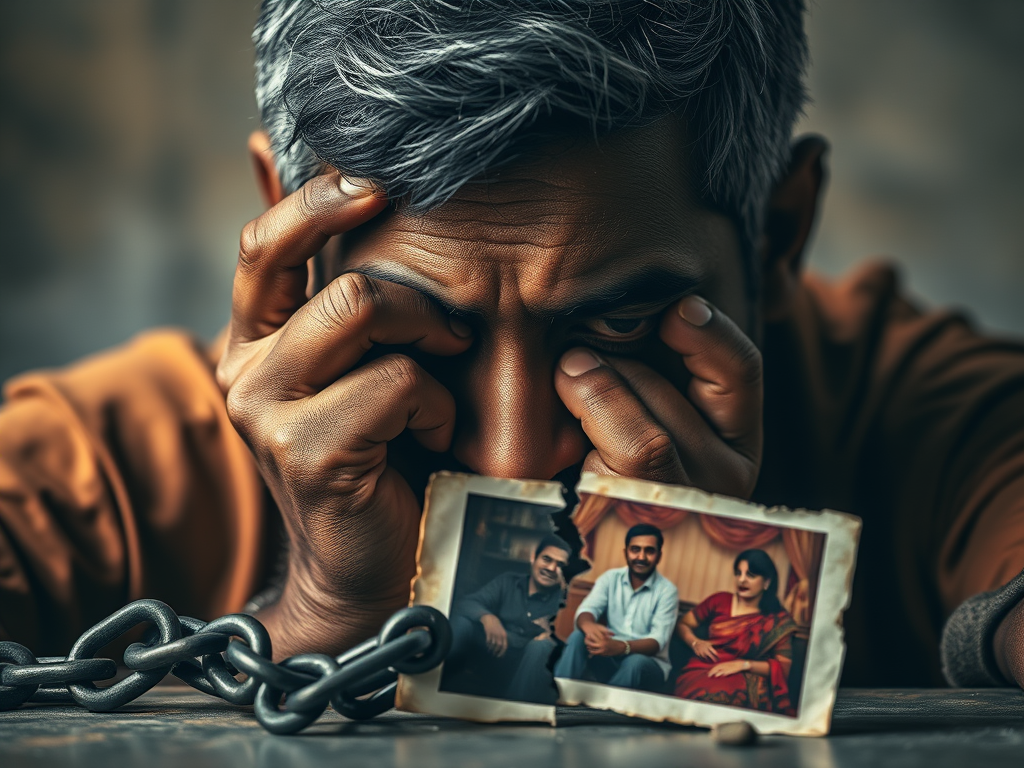
With its broader definition and non-bailable nature of this law led to several unintended consequences. The lack of interest of lawmakers to safeguards against false accusations has turned a protective measure into a potential weapon of personal vendetta. This has led to the shattering of millions of families, and this continues, the husband's reputation has been tarnished, and the innocent husband and his family have been imprisoned even before the trial begins, mare on the women's statement.
The Ground Reality: Misuse and Misery
Statistics and judicial observations over the years tell a ignored truth. The Supreme Court of India has acknowledged the widespread misuse of Section 498A in several judgments, and described it as "legal terrorism" in the case of Sushil Kumar Sharma v. Union of India (2005).
The impact:
- Entire families — including elderly parents, unmarried sisters, and distant relatives — have been named in complaints.
- Arrests are made without thorough investigation, stigmatizing individuals for life, just on mere statement of wife.
- Even when acquitted, the emotional trauma, social ostracism, and financial ruin persist long after the legal process ends.
Even a minor disagreement on any topic can send the husband to jail, it is like either you agree with the wife or go to jail.", Kumar S Ratan
The law has become a sword that cuts through the sanctity of family bonds.
Erosion of Family Traditions by Turning domestic disputes into criminal battles.
India's great family traditions are based on coexistence, mutual respect, and reconciliation. Historically, differences were resolved through dialogue and mediation, guided by elders and drawing on community wisdom. However, Section 498A turned domestic disputes into criminal battles.
The criminalization of family conflicts has not only weakened the trust between spouses but also disrupted intergenerational harmony. In many cases:
- Parents fear being dragged into police cases by their daughter-in-law.
- Sons live under psychological pressure and guilt, torn between protecting their families and facing accusations.
- Children grow up amidst bitterness and broken households.
The law has left a lasting scar on the social fabric.
Judicial and Legislative Responses
Recognizing the problem, the judiciary has stepped in with reformative interpretations. The Arnesh Kumar v. State of Bihar (2014) judgment directed police officers not to make automatic arrests under Section 498A and urged adherence to due process.
Later, in Rajesh Sharma v. State of Uttar Pradesh (2017), the Supreme Court even proposed the formation of Family Welfare Committees to verify allegations before arrests — a move that was partially modified later but reflected judicial awareness of the problem. Despite these measures, the lack of accountability in false cases continues to plague the system. Legislative amendments and procedural reforms are needed to balance protection for genuine victims with safeguards for the falsely accused.
Towards a Balanced Future
True justice in family matters must rest upon reconciliation, empathy, and fairness — not fear. Decriminalizing family disputes and treating them through civil remedies and counseling mechanisms can preserve both justice and family dignity.
Organizations like Men Helpline and Network for Men advocate for such change:
- Legal Awareness: Educating both men and women about rights, responsibilities, and consequences of misuse.
- Mental Health Support: Encouraging family dialogue before resorting to litigation.
- Policy Advocacy: Calling for gender-neutral laws that protect all victims of domestic conflict — men, women, children, and the elderly alike.
Conclusion
The criminalization of family dispute and Section 498A misuse has created an environment of distrust, fear, and injustice. If India is to preserve its family traditions — grounded in respect, unity, and love — it must reform its laws to reflect balance over bias, dialogue over punishment, and fairness over fear. Only then can we restore faith in the institution of family and ensure that protection never becomes persecution.